Salisbury older cottage drains can cause problems in ways that are not always obvious from inside the home. A small cottage may have short pipe runs, tight rear access, older gullies, small courtyards, hidden chambers and waste pipes added over time. When one part of that layout slows down, smells, gurgling or repeat blockages can appear quickly.
Older cottages often have compact drainage layouts. A kitchen, bathroom, utility space or outside gully may all sit close together, especially where the property has a small garden or courtyard. That can make a simple blockage feel more confusing, because several drains may react at once.
Salisbury Drains24 helps homeowners, landlords and businesses with drain unblocking, CCTV drain surveys, drain repairs and emergency drainage problems across Salisbury and nearby areas.
Why Salisbury older cottage drains need careful checks
Older cottage drains often have a practical but unusual layout. The original building may have started with fewer waste connections. Later owners may have added bathrooms, kitchens, washing machines, downstairs toilets, garden rooms or extensions.
Each change can add bends, joins and longer waste routes. The drain may still work well, but it may also have more places where waste, grease, silt or roots can catch.
This is why older cottage drainage problems need careful checks. The issue may not sit at the first drain that shows a problem. It may sit further along a shared pipe, under a small yard, beside a rear wall or near an old chamber.
Common drainage problems in older cottages
Drainage problems in older cottages often start with small signs. They may not look urgent at first, but they can point to a pipe run that needs checking.
Common signs include:
- A kitchen sink that drains slowly after normal use.
- Gurgling from a shower, bath, basin or toilet.
- Bad smells near a rear door, gully or courtyard.
- Water holding around an outside drain.
- A toilet that rises before it clears.
- Several fittings draining slowly at the same time.
- Repeat blockages in the same part of the home.
- Leaves, silt or waste collecting near a small gully.
- Standing water in an inspection chamber.
- A chamber cover that looks hard to reach or hard to lift.
One slow drain may have a simple cause. However, several signs together can suggest a wider drainage issue.
Small courtyards and tight access
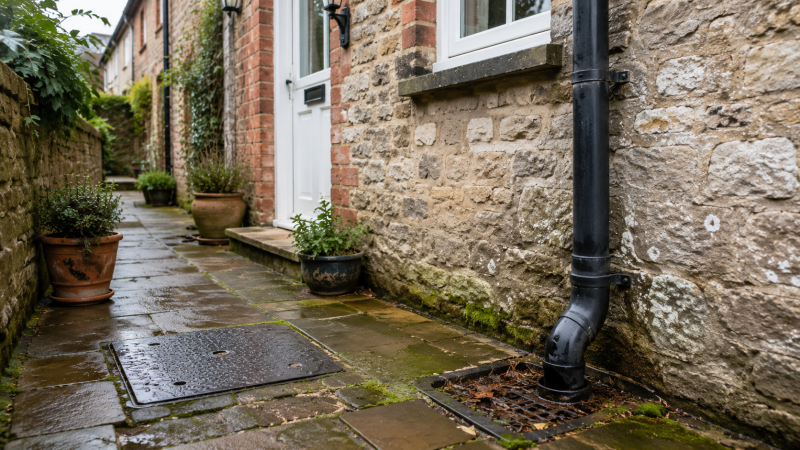
Many older cottages have small yards, narrow side paths or compact rear access. These areas often hold important drain covers, gullies and waste pipe connections.
Access can become harder when pots, bins, sheds, raised beds, paving, gravel or storage sit over key points. Even a small blocked gully can cause trouble if nobody can reach it easily.
Good access matters because engineers need clear routes to check the pipe, clear a blockage or send a camera through the drain. Poor access can make a straightforward job take longer.
Why old pipe routes may not follow a straight line
Modern homeowners often expect drains to run in a neat, straight path. Older cottage drains do not always work that way.
A drain may run around an old wall, pass below a small yard, turn near a side path or connect into an older chamber in an unexpected place. Later changes may also send new waste pipes into older drains at awkward angles.
This matters because a blockage may show inside the home even when the main fault sits outside. A CCTV check can help confirm the pipe path and show where water slows down.
Older waste connections and modern use
Older cottages now carry far more wastewater than many original layouts ever had to handle. Dishwashers, washing machines, power showers, extra bathrooms and modern kitchens all add regular flow.
The extra use does not automatically damage a drain. However, it can reveal weak points. Grease from a kitchen, hair from a shower, wipes, soap, scale and silt can all collect where the pipe has a bend, step, dip or rough joint.
If a cottage drain keeps slowing down, the pipe may need more than another quick clear.
When drain unblocking may solve the problem
Some cottage drain problems come from a simple blockage. Grease, food waste, leaves, hair, paper or wipes may sit in the pipe and slow the flow.
A drain unblocking visit can restore flow when the pipe remains sound and the blockage has a clear cause. Engineers can also check whether water moves away properly once the drain clears.
If the same drain blocks again, the team may need to look deeper. Repeat problems often point to pipe shape, access, roots, silt or damage.
Why CCTV surveys help with older cottage drains
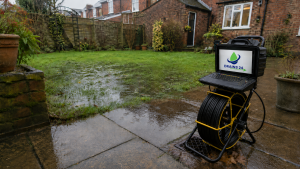
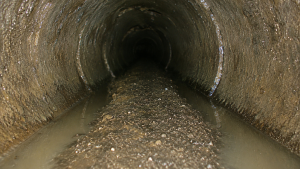
A CCTV drain survey gives engineers a view inside the pipe. It can show cracks, open joints, roots, silt, standing water, poor fall, rough edges and blocked sections.
This helps in older cottages because the surface layout can hide the real drain route. A gully in a small courtyard may connect to a pipe that runs under paving, around an extension or past a shared boundary.
A CCTV drain survey can help show what is happening inside the pipe before repair advice or further work begins.
Inspection chambers in older properties
An inspection chamber gives access to the drainage system. Engineers use chambers to check flow, clear blockages and inspect pipes.
In older cottages, chambers may sit in small yards, under gravel, beside steps, behind gates or close to walls. Sometimes owners before you may have covered them with paving, garden features or storage.
GOV.UK’s Approved Document H for drainage and waste disposal gives useful background on foul drainage, pipework, manholes and inspection chambers in England.
Bad smells in small yards and rear paths
Bad smells can feel stronger in small cottage courtyards because air movement may be limited. A smell near a gully, chamber, rear drain or side path can point to trapped waste, a blocked pipe, poor flow or a cover that no longer seals well.
Smells can also come from dry traps or poor waste pipe setup inside the home. Even so, a smell that keeps returning deserves a proper check.
If smells appear with gurgling, slow drainage or water holding around a gully, the drain may need clearing or camera inspection.
Roots, cracks and older joints
Older drains can develop weak points over time. Small cracks, open joints and rough edges can catch waste. They can also let fine roots enter the pipe.
Roots usually follow moisture. If a joint leaks slightly, roots may find that weak point and grow inside the drain. Once inside, they can catch paper, wipes and silt.
This article does not repeat the existing Salisbury root or repair topics. The key point for older cottages is simple: repeat blockages in the same small run often need a pipe check, not just another clear.
When older cottage drains may need repair
Drain repairs may become necessary when a pipe fault keeps causing problems. The repair should match the actual fault, pipe depth, access and pipe condition.
Possible repair signs include:
- Cracked pipework.
- Open or moved joints.
- Root entry through weak areas.
- Standing water inside the pipe.
- Silt building up in the same section.
- Broken chamber connections.
- Pipe sections that no longer line up.
- Repeat blockages after normal clearing.
Drain repairs should follow clear evidence where possible. A CCTV check can help avoid guesswork.
Shared or unclear drainage routes
Some older cottages may have shared or unclear drainage routes, especially in terraces, lanes, older streets or properties that changed hands many times. The pipe route may not match the current fence line, path or garden layout.
This can matter when one cottage has a blockage but the cause sits in a pipe that serves more than one home. It can also make repairs harder to plan if nobody knows where the drain runs.
A drainage check can help show the physical route. For legal questions about ownership or responsibility, homeowners should speak with their solicitor, water company or insurer where needed.
When the problem becomes urgent
Some older cottage drain problems can wait for a planned check. Others need fast help, especially when foul water backs up or the home loses normal drainage.
Call for help quickly if:
- A toilet will not clear.
- Wastewater backs up inside the property.
- An outside drain overflows with foul water.
- Several fittings stop draining at once.
- A chamber fills and does not empty.
- Strong smells keep returning.
- Water appears near the building after drain use.
- The same drain blocks again soon after clearing.
For urgent problems, emergency drainage services can help restore flow and reduce the risk of further mess.
What homeowners can check safely
Homeowners can make simple checks before calling for drainage help. These checks can help explain the issue clearly.
- Check whether one fitting or several fittings drain slowly.
- Look for water holding around outside gullies.
- Check whether chamber covers are easy to see.
- Move light items away from drain covers where safe.
- Notice whether smells appear after water use.
- Think about recent kitchen, bathroom or garden changes.
- Ask older neighbours if nearby homes have similar drain layouts.
- Avoid flushing wipes, grease or heavy paper while the drain struggles.
Do not lift heavy, cracked or unsafe covers. Also avoid strong drain chemicals where water has backed up, as they may not reach the real cause and can make the area harder to work around.
How to reduce repeat cottage drain problems
Older drainage layouts need sensible care. Small habits can reduce blockages and make future checks easier.
- Keep grease, wipes and food waste out of drains.
- Clear leaves from gullies and small yard drains.
- Keep chamber covers easy to reach.
- Act when the same drain keeps slowing down.
- Arrange CCTV checks for repeat or unclear problems.
- Check drain routes before paving small yards.
- Keep records of drain surveys and repairs.
- Ask for repair advice when CCTV shows clear damage.
These steps help protect older cottage drains and make future work easier to plan.
Get Salisbury older cottage drains checked properly
Salisbury older cottage drains can suffer from slow flow, smells, tight access and repeat blockages because the pipe runs are often small, changed or hard to trace. A problem may look simple at first, but the cause may sit further along the drain.
Salisbury Drains24 can help with drain unblocking, CCTV drain surveys, drain repairs and emergency drainage problems across Salisbury.
If an older cottage has slow drainage, bad smells, gurgling or repeat blockages, it is worth checking the pipe run before the issue becomes harder to deal with.
FAQs
Why do older cottage drains block more often?
Older cottage drains can block more often because pipe runs may be small, changed over time, hard to access or affected by grease, roots, silt, rough joints and poor flow.
Can a CCTV survey help with cottage drain problems?
Yes. A CCTV survey can show the pipe route and help find cracks, roots, silt, standing water, open joints or blocked sections inside the drain.
Are bad smells in a small courtyard a drain problem?
Bad smells can come from drains, dry traps, blocked gullies or poor flow. If smells keep returning with slow drainage or gurgling, the drain should be checked.
Can drain unblocking fix old cottage drains?
Drain unblocking can restore flow if the issue comes from a blockage. If the same problem returns, the pipe may need a CCTV check or repair advice.
Can Salisbury Drains24 help with older cottage drains?
Yes. Salisbury Drains24 can help with older cottage drain problems, including unblocking, CCTV surveys, drain repairs and urgent drainage issues.