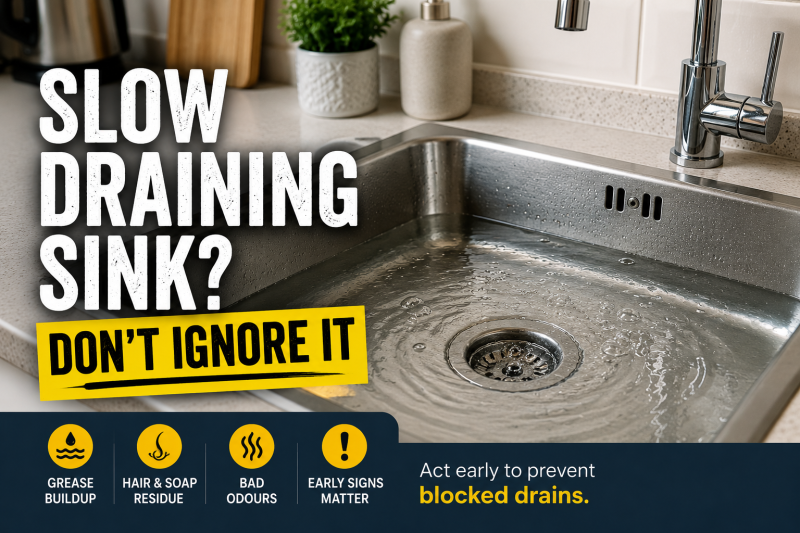
A slow draining sink in Salisbury is often one of the earliest signs of a developing drainage problem. Although water may still clear eventually, slow drainage usually indicates buildup or restriction somewhere within the system.
Many homeowners ignore the issue at first. However, delays often allow the problem to worsen over time. By recognising the warning signs early, you can avoid more serious blockages and costly repairs later.
A Slow Draining Sink in Salisbury Often Starts Gradually
In many homes, drainage problems begin slowly. Water may take a few extra seconds to clear before the issue becomes more noticeable.
Over time, grease, soap residue, food waste and hair begin collecting inside the pipework. As a result, the flow of water becomes restricted and drainage slows down further.
Because the change happens gradually, many people do not realise a blockage is developing until the sink starts backing up regularly.
Kitchen Sinks Commonly Develop Grease Buildup
Kitchen sinks are particularly vulnerable to drainage issues because oils, fats and food particles frequently enter the system.
Although hot water may appear to wash grease away initially, it often cools and sticks to the inside of the pipes. Consequently, debris begins accumulating and restricting flow.
This is one of the most common causes of a slow draining sink in Salisbury properties.
Bathroom Sinks Often Suffer From Hair and Soap Residue
Bathroom sinks experience different types of buildup. Hair, toothpaste, soap residue and grooming products gradually collect inside waste pipes.
As the restriction increases, water drains more slowly and unpleasant smells may begin to appear. Eventually, the blockage can become severe enough to stop drainage almost completely.
Gurgling Sounds and Bad Smells Are Early Warning Signs
A slow draining sink in Salisbury is often accompanied by other warning signs. Gurgling noises usually indicate trapped air within the drainage system, while unpleasant odours suggest waste buildup inside the pipework.
These symptoms should not be ignored. In many cases, they indicate that the blockage is becoming more severe.
Repeated Problems Often Point to a Deeper Issue
If the same sink continues draining slowly after repeated cleaning attempts, the underlying problem may be deeper within the system.
Temporary fixes sometimes improve flow briefly. However, they rarely solve the root cause completely. Therefore, recurring drainage issues often require professional inspection.
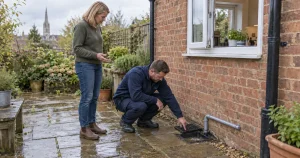
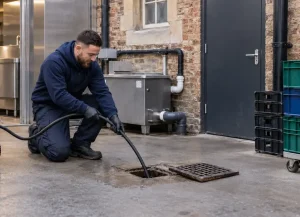
If problems continue returning, professional help for blocked drains Salisbury may be needed to restore proper flow.
When a CCTV Drain Survey May Be Necessary
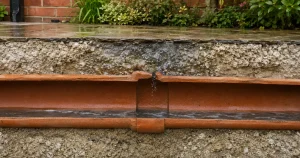
Persistent drainage problems can sometimes indicate hidden faults such as root intrusion, damaged pipes or misaligned joints.
A professional CCTV drain survey in Salisbury allows engineers to inspect the inside of the drainage system and identify the exact cause of the restriction.
This helps avoid unnecessary guesswork and ensures the correct solution is applied.
Why Early Action Helps Prevent Larger Problems
Ignoring a slow draining sink often leads to more serious blockages later. As debris continues building up, water flow reduces further and pressure inside the system increases.
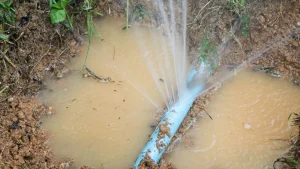
Eventually, this may result in overflowing sinks, external drainage problems or even pipe damage.
Acting early usually reduces repair costs and prevents disruption within the property.
Preventing Slow Drainage in Sinks
Simple maintenance habits can significantly reduce the risk of future drainage problems.
Helpful preventative measures include:
- Avoid pouring grease or oils into sinks
- Use drain strainers to catch debris
- Flush sinks regularly with hot water
- Arrange professional maintenance when issues persist
In addition, periodic inspections help identify developing problems before they become severe.
Conclusion
A slow draining sink in Salisbury should never be ignored. Although the issue may seem minor initially, it often signals buildup or restriction inside the drainage system.
By recognising warning signs early and taking action quickly, homeowners can avoid larger blockages and protect their drainage systems from long-term damage.
FAQs
What causes a slow draining sink in Salisbury?
Grease buildup, hair, soap residue and partial blockages are the most common causes of slow drainage.
Can a slow draining sink become a full blockage?
Yes. Without treatment, buildup continues increasing until water flow becomes fully restricted.
Should I use chemical drain cleaners?
Chemical cleaners may provide temporary relief, but repeated use can damage pipes and rarely solves deeper problems.
When should I call a drainage specialist?
If the issue keeps returning, smells develop or water drains extremely slowly, professional inspection is recommended.
For more information on drainage system standards and maintenance, see the UK sewerage sector guidance documents.