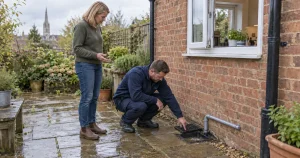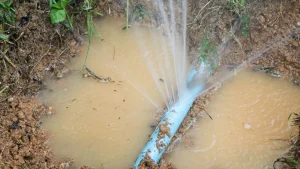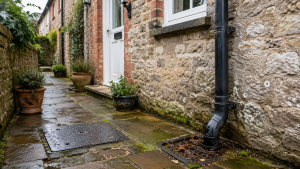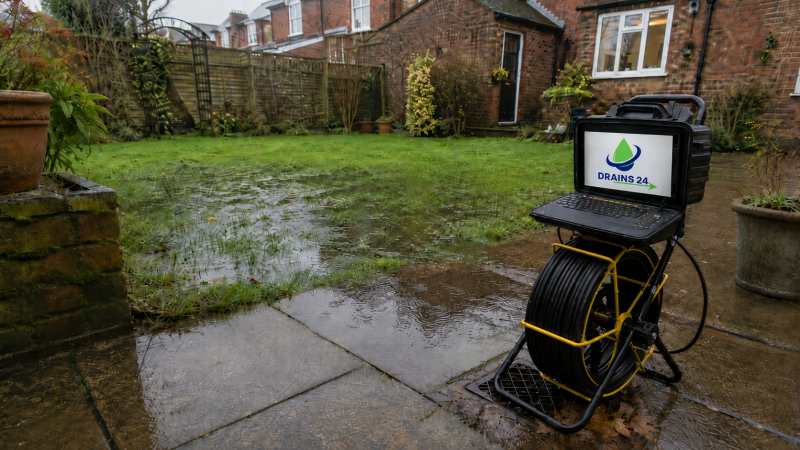
Salisbury soakaway problems often become obvious after heavy rain. Water may sit on the lawn, pool around paving, overflow from gullies or drain slowly from a driveway. At first, this can look like a normal wet-weather issue. However, repeated standing water can point to a soakaway or surface water drainage problem.
Surface water needs a proper route away from the property. When that route becomes blocked, overloaded, damaged or unsuitable for the ground conditions, water can collect around gardens, paths, patios and driveways.
Salisbury Drains24 helps homeowners, landlords and businesses with soakaway problems, surface water drainage, blocked drains, CCTV drain surveys, drain repairs and emergency drainage issues across Salisbury and nearby areas.
Why Salisbury soakaway problems happen
Soakaways are designed to collect rainwater and allow it to disperse into the surrounding ground. They are commonly used for roof water, driveways, garden drainage and other surface water routes.
Problems usually start when water cannot move away quickly enough. This may happen because the soakaway is blocked, silted, undersized, damaged or no longer suitable for the volume of water reaching it.
Ground conditions also matter. If the surrounding soil does not drain well, or if the area has become compacted, the soakaway may struggle during long wet periods.
Common signs of Salisbury soakaway problems
Soakaway faults can be easy to miss during dry weather. The signs usually become clearer after rain, when the drainage system has to deal with more water.
Common warning signs include:
- Standing water on lawns, paths or patios.
- Driveway water taking too long to drain away.
- Rainwater gullies overflowing.
- Water pooling around the base of walls.
- Damp patches that remain long after rain has stopped.
- Garden areas becoming soft, boggy or unusable.
- Surface water running back towards the property.
- Drains making gurgling sounds during heavy rain.
- The same area flooding after each downpour.
One wet patch after severe weather may not mean the system has failed. However, repeated pooling in the same place should be checked before it causes wider drainage pressure.
Blocked gullies and surface water drains
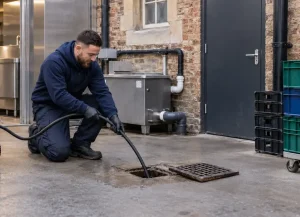
Sometimes the soakaway is blamed when the first problem is actually nearer the surface. Leaves, moss, mud, gravel, roof debris and silt can collect in gullies, channels and surface water drains.
Once these entry points block, rainwater cannot reach the soakaway properly. Water may then spread across paving, sit near the house or overflow from the gully.
A drain unblocking visit can help clear affected surface water drains and restore flow where the pipework is still sound.
Silt build-up inside the system
Silt is a common cause of surface water drainage problems. Roof water, driveway runoff and garden water can all carry fine material into gullies and pipework.
Over time, silt can reduce the space inside the pipe or soakaway. This makes the system slower during heavy rain and can eventually stop water from draining properly.
If silt keeps returning after cleaning, the issue may involve a poor fall, damaged pipe, collapsed section, overloaded soakaway or unsuitable drainage route.
Older soakaways and changing property use
Some older properties have drainage arrangements that worked well when they were first installed. However, the way a property is used can change over time.
New patios, larger driveways, extensions, conservatories, outbuildings and landscaping can all increase the amount of rainwater directed into the same drainage route.
If the soakaway was not designed for that extra water, it may struggle in wet weather. This can lead to repeat pooling, overflow and water moving towards areas where it should not collect.
Driveway drainage and hard surfaces
Hard surfaces can make soakaway problems more noticeable. Unlike grass or open soil, paving and tarmac do not naturally absorb water in the same way.
If rainwater cannot reach a suitable drainage channel, gully or soakaway, it may run across the driveway or collect near the lowest point.
This is especially important where the fall of the surface sends water towards the building, garage, boundary wall or neighbouring property.
When CCTV inspection can help
A CCTV drain survey can help when surface water problems keep returning and the cause is not clear from above ground.
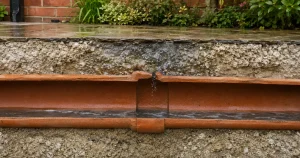
A camera inspection of the drainage run can show whether the pipework leading to the soakaway has silt, cracks, root entry, displaced joints, poor fall, standing water or partial collapse.
This helps separate a simple blockage from a structural drainage problem. It also gives a clearer basis for deciding whether cleaning, repairs or soakaway work is needed.
Tree roots and surface water drainage
Tree roots usually enter drains through existing weaknesses. A cracked pipe, open joint or damaged connection can allow fine roots into the drainage run.
Once inside, roots can catch leaves, silt and debris. This slows the water and increases the chance of overflow during rain.
If roots are found in a surface water drain, the system may need cleaning first. After that, repair advice may be needed to stop the same problem returning.
When soakaway repairs may be needed
Not every wet garden needs soakaway repair. Heavy rain, saturated ground and blocked gullies can all cause temporary problems.
However, soakaway repairs and surface water drainage solutions may be needed if water repeatedly pools, drains slowly, runs back towards the property or overwhelms the same gully every time it rains.
Repair options depend on the condition of the system, the access available, the soil conditions and the amount of water involved. In some cases, cleaning and localised repair may be enough. In others, a replacement soakaway or improved surface water drainage route may be required.
Drainage problems near walls and foundations
Surface water should not be allowed to sit against external walls for long periods. Repeated pooling can contribute to damp conditions, staining, slippery paving and pressure around the building.
If rainwater regularly collects near the property, it is worth checking whether a blocked gully, poor surface fall, damaged drain or failing soakaway is involved.
Where drainage affects building layout, pipework or surface water disposal, the UK Government’s Approved Document H for drainage and waste disposal gives useful background on drainage access, rainwater drainage and building-related drainage considerations in England.
When the issue becomes urgent
Surface water problems can become urgent when water moves towards the property, affects electrics, floods a garage, enters a business premises or creates a safety issue on paths and access areas.
Heavy rain can also expose a hidden drainage fault quickly. A drain that copes during light rain may overflow when the system is under pressure.
For urgent drainage issues, emergency drainage services can help restore flow, clear affected drains and reduce immediate disruption.
How to reduce avoidable soakaway problems
Some soakaway problems come from age, ground conditions or poor design. Even so, regular care can help reduce avoidable blockages.
- Keep leaves and moss away from gullies.
- Clear garden debris from drainage channels.
- Check driveway drains after heavy rain.
- Do not wash soil, gravel or building waste into drains.
- Keep roof gutters clear where they feed surface water drains.
- Watch for standing water in the same place after rain.
- Arrange inspection if a gully keeps overflowing.
- Get advice if water runs back towards the property.
These steps can help keep water moving. However, they will not fix a failed soakaway, damaged pipe or unsuitable drainage design.
Get Salisbury soakaway problems checked properly
Salisbury soakaway problems can start with a small wet patch, slow-draining gully or damp area of paving. When the same problem returns after rain, the cause may be deeper than surface water alone.
Salisbury Drains24 can help with soakaway problems, surface water drainage, drain unblocking, CCTV surveys, drain repairs and emergency drainage services across Salisbury.
If water keeps pooling in the garden, overflowing from gullies or running back towards the property, it is worth checking the drainage route before the problem becomes more disruptive.
FAQs
What causes soakaway problems in Salisbury gardens?
Common causes include silt build-up, blocked gullies, compacted ground, poor drainage routes, damaged pipework, root entry, undersized soakaways and extra rainwater from patios, extensions or driveways.
How do I know if my soakaway is failing?
Signs can include standing water after rain, overflowing gullies, damp paving, boggy garden areas, slow surface water drainage and water running back towards the property.
Can a blocked gully look like a soakaway problem?
Yes. Leaves, mud, moss and silt can block gullies or surface water drains before water reaches the soakaway, causing pooling or overflow above ground.
When is a CCTV drain survey useful?
CCTV inspection is useful when surface water problems keep returning or when damage, silt, roots, standing water or pipe movement may be affecting the drainage run.
Can Salisbury Drains24 repair soakaway problems?
Yes. Salisbury Drains24 can help investigate soakaway problems, clear affected drainage runs, inspect pipework and advise on surface water drainage or repair options.