
Expert Drain Repairs in Salisbury
Professional drain repairs in Salisbury — structural pipe fixes, patch lining, and long-lasting solutions delivered by experienced engineers.


Request A Call Back Now!
We guarantee a response within 30 minutes!
- NO CALL OUT FEES OR HIDDEN FEE
- ENGINEERS FULLY INSURED
- 10 YEARS GUARANTEE
NO CALL OUT FEES OR HIDDEN FEE
ENGINEERS FULLY INSURED
10 YEARS GUARANTEE

What Our Customers are Saying!

based on 475+ Google Reviews

Drain Repairs in Salisbury for Damaged Pipework
A drain that keeps blocking may have more than a temporary obstruction. Cracks, displaced joints, root entry, deformation and collapsed pipework can all restrict the flow and cause the same problem to return. Salisbury Drains24 provides practical drain repairs in Salisbury for homes, businesses, landlords and managed properties.
We start by identifying the fault and checking the condition of the surrounding pipe. Where necessary, we clear the drain before using CCTV survey equipment to locate the damage and assess its extent. This evidence helps us recommend a repair that matches the problem rather than relying on guesswork.
Depending on the findings, the most suitable option may be a local patch, full-length CIPP lining or targeted excavation and pipe replacement. If the pipe remains structurally suitable, a no-dig repair can reduce disruption. However, badly displaced or completely collapsed sections usually require excavation. We explain the available options before work starts so that you understand what needs repairing and why.
Pitch Fibre Drain Specialists
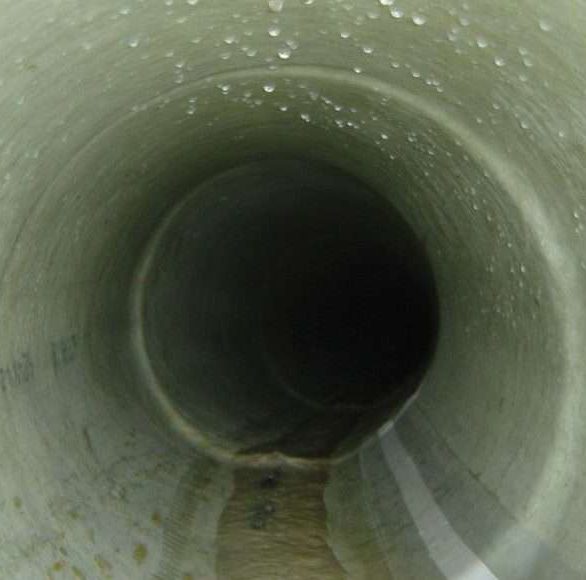
Pitch fibre drainage can deteriorate as it ages. The pipe may soften, blister or lose its circular shape, reducing the space available for wastewater to pass through. Waste can then catch inside the pipe and lead to slow drainage or repeated blockages.
Our engineers inspect the affected run to establish whether the pipe can support an internal repair. In suitable cases, we may be able to reshape and line the drain without excavating the entire route. The new liner creates a smooth internal surface and isolates damaged areas from the wastewater flow.
Not every pitch fibre pipe can be lined. If the drain has become severely deformed, separated or collapsed, replacing the failed section may provide a more dependable result. We assess the actual condition first and recommend lining only when the existing pipe offers a suitable base for the repair.
Arrange Professional Drain Repairs
CIPP Lining and Local Patch Repairs
Cured-in-place pipe lining, commonly called CIPP lining, repairs suitable drainage from inside the existing pipe. The process uses a resin-based liner that cures within the drain and forms a new internal surface. It can cover cracks, open joints and root entry points across a longer section without excavating the full pipe run.
A local patch uses a similar repair principle but treats one short, clearly identified defect. Patch repairs may suit an isolated crack, hole or displaced joint when the pipe on either side remains sound. Where several defects affect a continuous length, a full liner may provide the more practical option.
Before installing either repair, the pipe needs sufficient access and preparation. We may need to remove deposits, clear obstructions or carry out professional root removal so the repair material can sit correctly against the pipe wall. We also check the pipe’s diameter, shape, connections and overall condition.
CIPP lining and patch repairs can avoid extensive digging, but they cannot restore a pipe that has completely collapsed or lost its route. In those circumstances, a targeted excavation allows us to reach and replace the failed section.
New and Replacement Drainage Systems
Some drainage faults require new pipework rather than an internal repair. This may apply when a section has collapsed, the existing pipes have moved significantly, the layout no longer works correctly or several previous repairs have left an unreliable run.
Salisbury Drains24 can replace damaged pipe sections and install new underground drainage where the site and agreed work require it. This can include PVC drainage pipes, connections and inspection chambers. We plan the route, access and fall around the property and the intended connection point.
Where excavation is necessary, we identify the affected area so the work can remain as focused as practical. We will explain the proposed repair and the expected reinstatement before starting. New drainage work must also meet the relevant requirements for below-ground pipework, protection and access. The government’s Approved Document H provides the applicable drainage guidance for England.
Whether the solution involves a short replacement section or a larger drainage alteration, the aim is to restore reliable flow with a system suited to the property and the confirmed site conditions.
Frequently Asked Questions (FAQs)
A one-off blockage may only require cleaning or high-pressure water jetting. However, repeated blockages, subsidence, root intrusion, displaced joints or visible pipe damage can indicate that a repair is needed. Where the cause is unclear, a CCTV drain survey can show the pipe’s condition before further work is recommended.
A CCTV survey is normally recommended when structural damage is suspected. It helps locate the fault, measure the affected section and determine whether patch lining, full CIPP lining or excavation is appropriate. A survey is not always necessary for a straightforward blockage that clears fully and does not return.
A patch repair reinforces a short, localised section of damaged pipe. Full CIPP lining creates a continuous new lining through a longer section of the drain. Both methods use resin-based materials cured inside the existing pipe, but the correct option depends on the location, extent and type of damage.
Excavation may be necessary when a pipe has completely collapsed, become severely displaced or can no longer support a structural liner. It may also be required when a damaged connection or section cannot be reached internally. We assess the pipe first and only recommend excavation when a suitable non-dig repair is not possible.
The cost depends on the type of damage, the length and diameter of the affected pipe, access conditions and the repair method required. A local patch repair will usually involve different work from full lining or excavation. After investigating the problem, we explain the suitable options and provide a clear quotation before repair work begins.