Silt in Salisbury drains can cause slow drainage, repeat blockages and water backing up through gullies or inspection chambers. Sometimes silt is simply washed into the system from surface water, gardens, driveways or old gullies. In other cases, it points to a deeper fault inside the pipework.
If silt keeps returning after a drain has been cleared, the drain may have a cracked pipe, poor fall, displaced joint, root entry point or low section where debris keeps settling.
Salisbury Drains24 helps homeowners, landlords and businesses deal with blocked drains, silt build-up, CCTV drain surveys, root removal and drain repairs across Salisbury and nearby areas.
Why silt in Salisbury drains should not be ignored
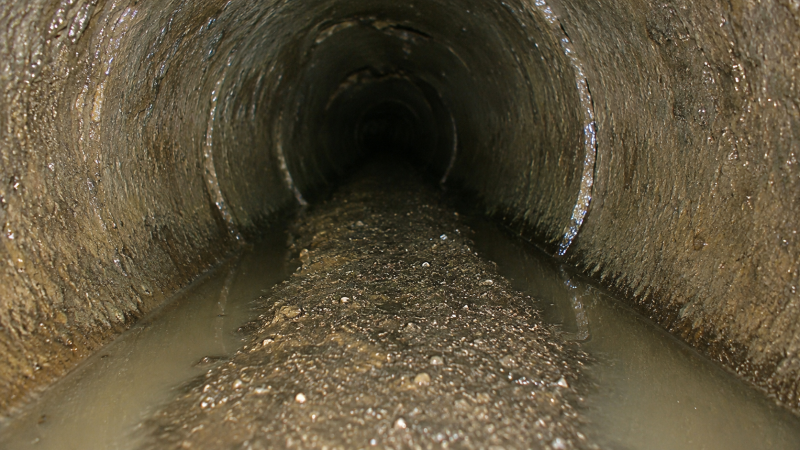
Silt is made up of fine soil, grit, sand, sediment and debris. Once it collects inside a drain, it can reduce the available space for water to flow.
A small amount may not cause an immediate blockage. However, once silt settles in a low section or catches around a joint, more debris can collect behind it. Over time, the drain may slow down or block completely.
Where silt keeps returning, Salisbury drain repairs may be needed if the pipe has cracked, moved or lost its proper fall.
Common signs of silt build-up
Silt build-up can appear gradually. Customers may first notice that the drain still works, but not as quickly as before.
Common warning signs include:
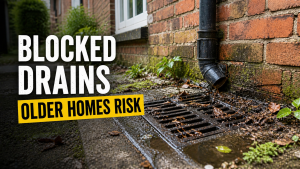
- Water draining slowly from outside gullies.
- Inspection chambers holding water or sediment.
- Repeat blockages in the same drain run.
- Gurgling sounds from toilets, sinks or external drains.
- Bad smells around inspection chambers.
- Water backing up after heavy rain.
- Silt, grit or soil visible inside chambers.
- Drains clearing temporarily before blocking again.
These signs do not always mean the pipe is broken, but they do suggest the drain needs proper checking.
How silt gets into underground drains
Silt can enter drains in several ways. Some causes are simple, while others show that the pipework may be damaged.
Silt may enter through:
- Surface water washing soil and grit into gullies.
- Leaves and garden debris breaking down inside drains.
- Driveway run-off carrying sand, mud or sediment.
- Cracks in underground pipes.
- Open or displaced joints.
- Damaged inspection chambers.
- Root entry points.
- Groundwater entering through pipe defects.
If silt appears once after heavy rain or garden work, it may simply need clearing. If it returns repeatedly, the cause should be investigated.
When silt points to a cracked pipe
A cracked pipe can let surrounding soil and fine material enter the drain. Once this happens, silt may keep appearing even after the pipe has been cleaned.
Water can also escape through the crack and soften the ground around the pipe. That can make the damage worse over time, especially if the pipe loses support.
If silt keeps returning in the same section, a cracked pipe should be considered as a possible cause.
When poor gradients allow silt to settle
Drain pipes need enough fall to carry water and waste away from the property. If the pipe has a low section, water may sit inside the drain instead of moving properly.
Standing water gives silt, grease and debris somewhere to settle. Even after the drain is cleared, the same low section may collect material again.
Poor gradients can develop because of ground movement, poor installation, ageing pipework or a pipe section that has dropped over time.
Displaced joints and silt collection
A displaced joint creates a step or edge inside the pipe. Waste and sediment can catch on that edge as water passes through.
At first, this may only slow the drain slightly. Over time, silt and debris can build up until the drain blocks.
Displaced joints can also let roots and groundwater into the pipe. This creates more ways for silt and debris to collect.
When root intrusion makes silt problems worse
Roots often enter drains through small cracks, open joints or weak seals. Once inside, they catch silt, wipes, paper, grease and other debris.
The root mass can act like a net inside the drain. Water may still pass through for a while, but sediment collects around the roots until the pipe becomes restricted.
Where roots are present, root removal may be needed before repair options are considered.
When drain unblocking is enough
Not every silt problem needs repair. Some drains collect silt because of heavy rain, garden run-off, leaves, driveway sediment or surface water carrying debris into gullies.
In these cases, drain unblocking may clear the pipe and restore proper flow.
The engineer should test the drain after clearing. If the water runs properly and silt does not quickly return, repair work may not be needed.
When CCTV inspection is needed
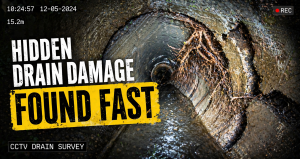
A CCTV survey can show whether silt is only sitting inside the drain or whether it is being caused by a deeper fault.
A camera inspection of the drain can identify cracks, displaced joints, root entry, low sections, standing water, partial collapse and damage around pipe connections.
This is especially useful when the same drain blocks repeatedly or when silt keeps returning after cleaning.
Silt after heavy rain
Heavy rain can wash soil, leaves and grit into drains. This is more likely where outside gullies sit near gardens, driveways, patios, unmade ground or areas with poor surface water control.
A one-off build-up after bad weather may not mean the pipe has failed. However, repeated silt after rain can point to a deeper issue.
If the drain floods, backs up or holds water after every heavy shower, the pipe may have a low section, poor fall or hidden defect.
Silt and damaged inspection chambers
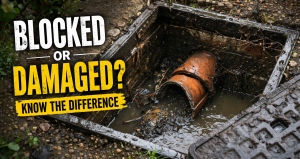
Inspection chambers can also contribute to silt problems. A damaged chamber, loose benching or broken connection can allow debris to collect or enter the drain run.
Sometimes the pipe itself is working, but the chamber is holding silt and slowing the flow. In other cases, chamber damage may show that the surrounding drainage system needs repair.
Checking the chamber condition helps confirm whether the fault sits in the chamber, the pipe run or both.
When emergency help may be needed
Silt build-up usually develops gradually, but it can still lead to urgent drainage problems. If foul water overflows, toilets cannot be used, or water starts entering a property, the issue needs faster attention.
Drainage problems can also become urgent for businesses, rental properties, care settings and premises where several people rely on the same system.
For urgent problems, emergency drainage services can help restore flow and reduce disruption before further investigation is arranged.
Drainage standards and repair planning
Where silt problems link to damaged pipework, poor access, inspection chambers or drainage layout, proper repair planning matters. The UK Government’s Approved Document H for drainage and waste disposal gives useful background on drainage access, pipework and building-related drainage considerations in England.
For property owners, the key point is simple: repeated silt problems should be investigated before repair work is chosen.
How to reduce future silt problems
Good maintenance can reduce avoidable silt build-up, especially around outside gullies and surface water drains.
- Keep leaves and garden debris away from gullies.
- Clear visible sediment from external drain covers.
- Prevent soil and gravel washing into drainage areas.
- Check gullies after heavy rain or garden work.
- Act quickly if silt returns after cleaning.
- Use CCTV inspection for repeated problems.
- Arrange repair advice if cracks, roots or poor gradients are found.
These steps help protect the drainage system and make early warning signs easier to spot.
Get recurring silt checked properly
Silt in a drain can be a simple maintenance issue, but repeated silt build-up often has an underlying cause. If the same drain keeps blocking, holds water or fills with sediment after clearing, the pipe may need closer inspection.
Salisbury Drains24 can help with drain unblocking, CCTV surveys, root removal, emergency drainage services and drain repairs across Salisbury.
If silt keeps returning, it is worth finding out whether the drain needs cleaning, repair or further investigation.
FAQs
Why is there silt in my Salisbury drains?
Silt can enter through surface water, garden debris, driveway run-off, damaged gullies, cracked pipes, displaced joints or groundwater entering through pipe defects.
Can silt cause a blocked drain?
Yes. Silt can reduce pipe capacity and collect in low sections, around joints or near roots. Over time, it can cause slow drainage or full blockages.
Does silt in a drain mean the pipe is broken?
Not always. A one-off silt build-up may come from rain or surface debris. Repeated silt after clearing may suggest cracked pipes, poor gradients or displaced joints.
Can drain unblocking clear silt?
Yes. Professional drain unblocking can clear silt, debris and sediment. If silt keeps returning, CCTV inspection may be needed to find the underlying cause.
When are drain repairs needed for silt problems?
Drain repairs may be needed when silt is caused by cracked pipes, displaced joints, root entry, poor gradients, damaged chambers or sections of pipe that have dropped.